*Last updated: 2026*
Perhaps you have been imagining a more generous kitchen, a bathroom that makes mornings feel calmer, or a home that finally flows the way you live. Whatever the vision, one practical question tends to arrive early: how much does a renovation cost?
In Australia, the answer can stretch from a considered cosmetic refresh to a significant whole-home transformation. Your renovation cost in 2026 will be shaped by the property itself, the scope of work, the quality of the finishes, the trades involved, your location and the level of detail resolved before construction begins.
But cost is only part of the conversation. A more revealing question is: what kind of renovation is right for this home, this lifestyle and this budget?
At The Stylesmiths, we begin by listening. We look at how you move through your home, what is no longer working and how you want the finished space to feel. From there, the layout, materials, lighting, furniture, joinery and procurement decisions can be brought together with purpose. It is this clarity that helps a renovation feel personal and cohesive, not simply new.
Whether you are updating one room or reimagining an entire home, thoughtful design direction can remove much of the uncertainty before builders, trades and suppliers become involved. It also helps answer the questions that make a budget more meaningful: what should stay, what needs to change, where is it worth investing and where can the budget work a little harder?
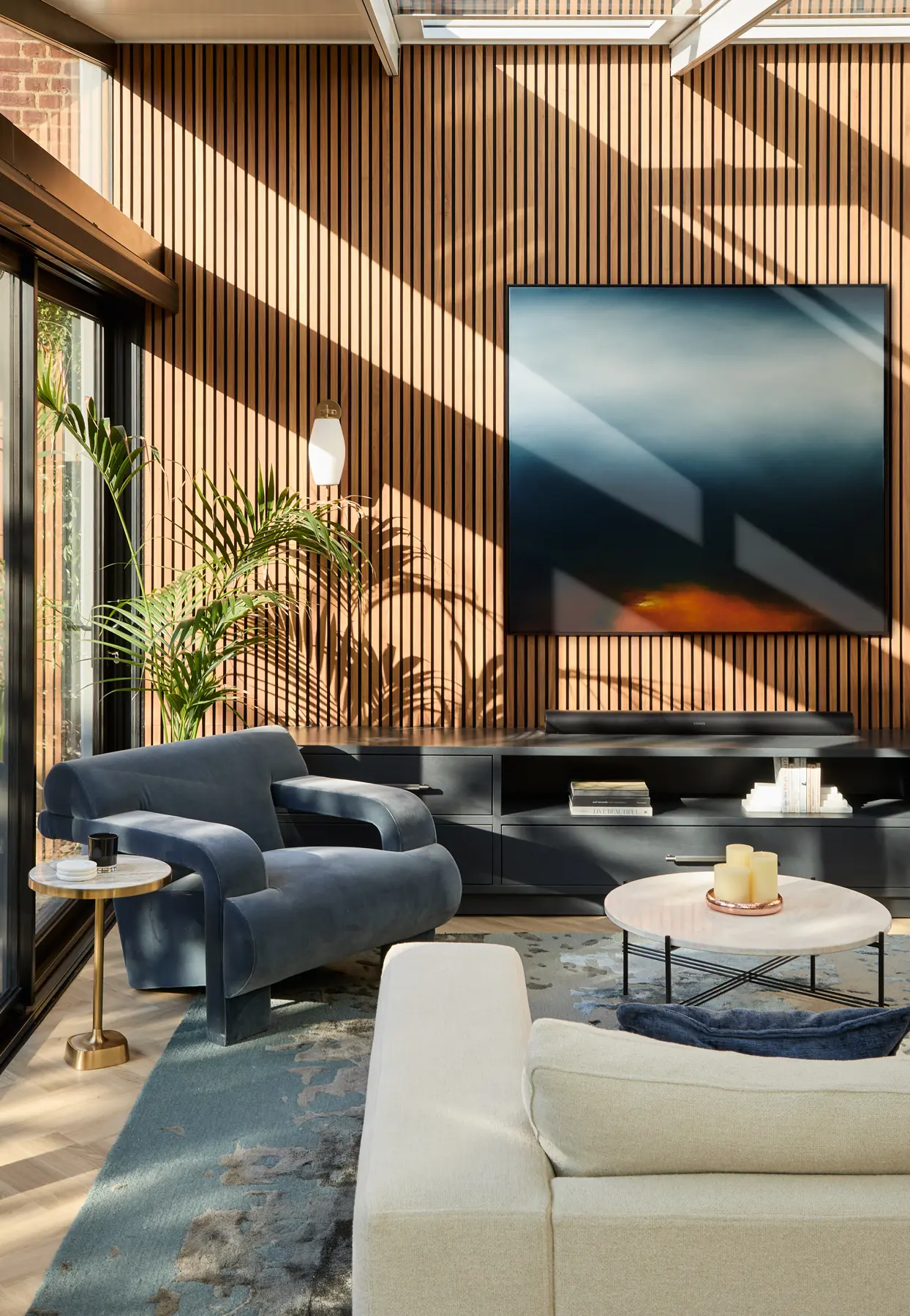
There is no single figure that captures the home renovation cost Australia-wide. A light-touch update involving paint, lighting and furnishings sits in a very different category from a new kitchen, two bathrooms, custom joinery and structural alterations.
As a broad guide, Australian renovation budgets in 2026 may begin with smaller cosmetic works and move into substantially higher figures for kitchens, bathrooms, full internal renovations and extensions. Kitchens and bathrooms often command a larger share of the budget because they bring together multiple trades and technical requirements, including cabinetry, appliances, plumbing, electrical work, waterproofing, tiling and ventilation.
Market guides commonly place both kitchen renovation cost and bathroom renovation cost in the tens of thousands, with the final amount changing considerably between budget, mid-range and premium projects. A simple replacement that retains the existing layout is one thing; a completely reconfigured room with bespoke joinery, natural stone and integrated appliances is another.
Think of published figures as useful planning ranges, never fixed quotes. The most reliable budget will always respond to your property, your design and current market rates.
The cost of a renovation cannot be predetermined without first understanding the property, the scope and the people who will live there. A cosmetic refresh involving paint, styling, rugs, lighting, furniture, window furnishings and new hardware will naturally require a different investment from a bathroom renovation with waterproofing, plumbing, tiling, ventilation and a custom vanity, or a kitchen renovation shaped by bespoke cabinetry, benchtops, appliances, flooring, lighting and changes to electrical or plumbing services.
Even compact spaces such as laundries and powder rooms can vary considerably depending on their joinery, storage, tiles, tapware and plumbing configuration, while full internal renovations bring multiple rooms, trades, finishes and furniture decisions together. Structural renovations and extensions introduce further considerations, including engineering, approvals, foundations, roofing, windows, wall changes and site-specific construction requirements.
This is why The Stylesmiths do not begin with a one-size-fits-all figure. We begin by listening: learning how you live, what you want to change, what you value and the budget you feel comfortable investing. We work with a variety of project scopes and budgets, then match you with a designer suited to your needs and develop a tailored proposal outlining the design work required. From there, we shape the layout, materials, finishes, joinery, furniture and styling around your priorities, identifying where it makes sense to invest and where thoughtful alternatives can help the budget work harder.
The result is not a design dictated by a generic price range, but a considered interior created for your home, your lifestyle and your budget. Actual construction costs can then be established through project-specific documentation and quotations that account for site conditions, selected materials, trade availability and current market rates.
“Renovation” can describe anything from changing the mood of a living room to rebuilding the way an entire home works.
One project might involve paint, furniture, lighting and styling. Another may include a new kitchen and bathrooms, bespoke joinery, flooring, window furnishings and a complete furniture package. As the scope grows, so does the number of decisions, drawings, suppliers and trades required to bring it to life.
A clearly defined scope is one of the best foundations for a realistic budget. It lets everyone understand what is included, what is not and what the finished result is intended to achieve.
Every home carries a history, and sometimes that history reveals itself only after work begins. Older houses, apartments, terraces and coastal properties may conceal outdated wiring, ageing plumbing, moisture, uneven floors, structural limitations or previous workmanship that needs to be corrected.
Access matters too. Tight stairwells, limited parking, restricted working hours and apartment lift bookings can all affect time and labour. A beautiful design must still respond intelligently to the realities of the property.
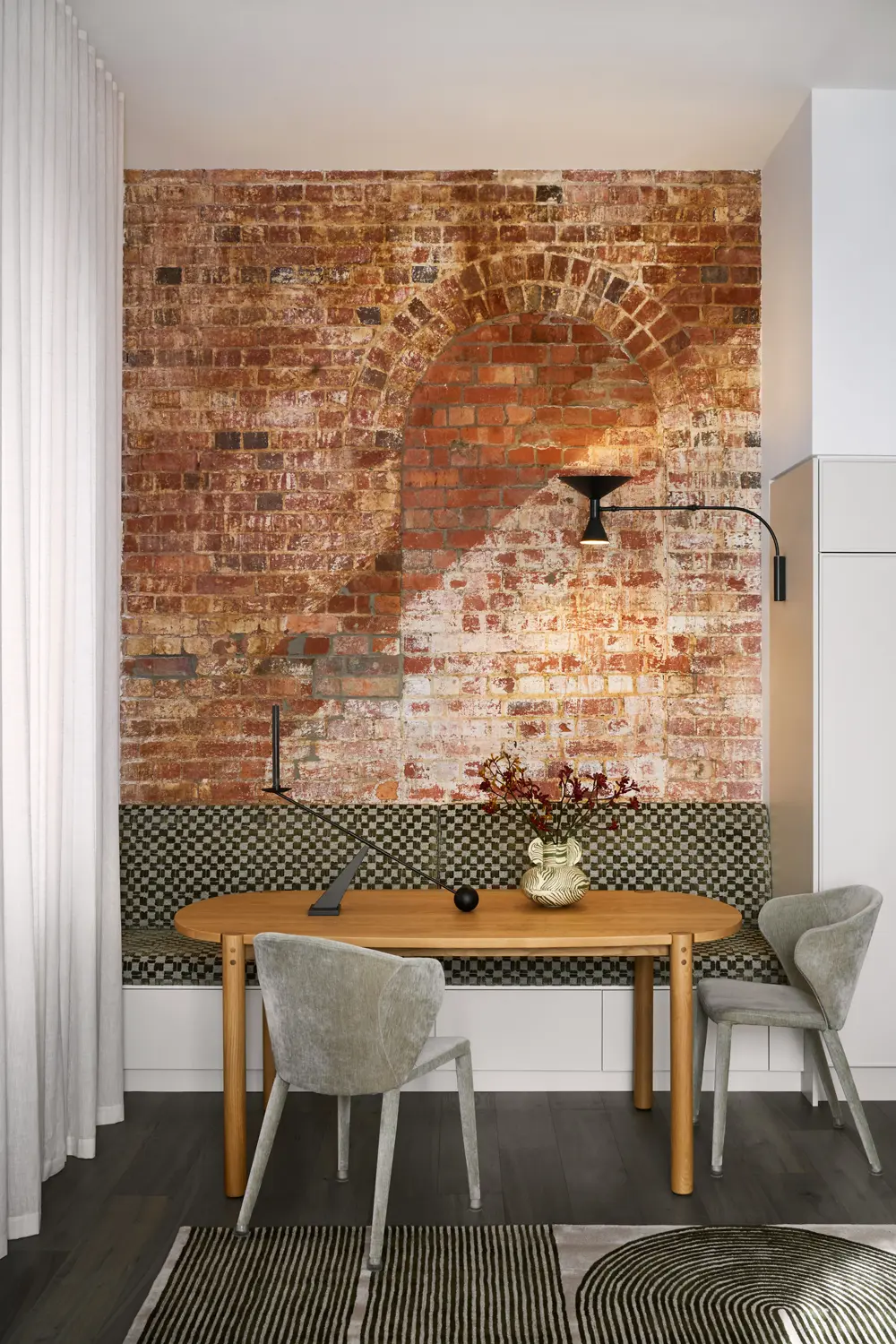
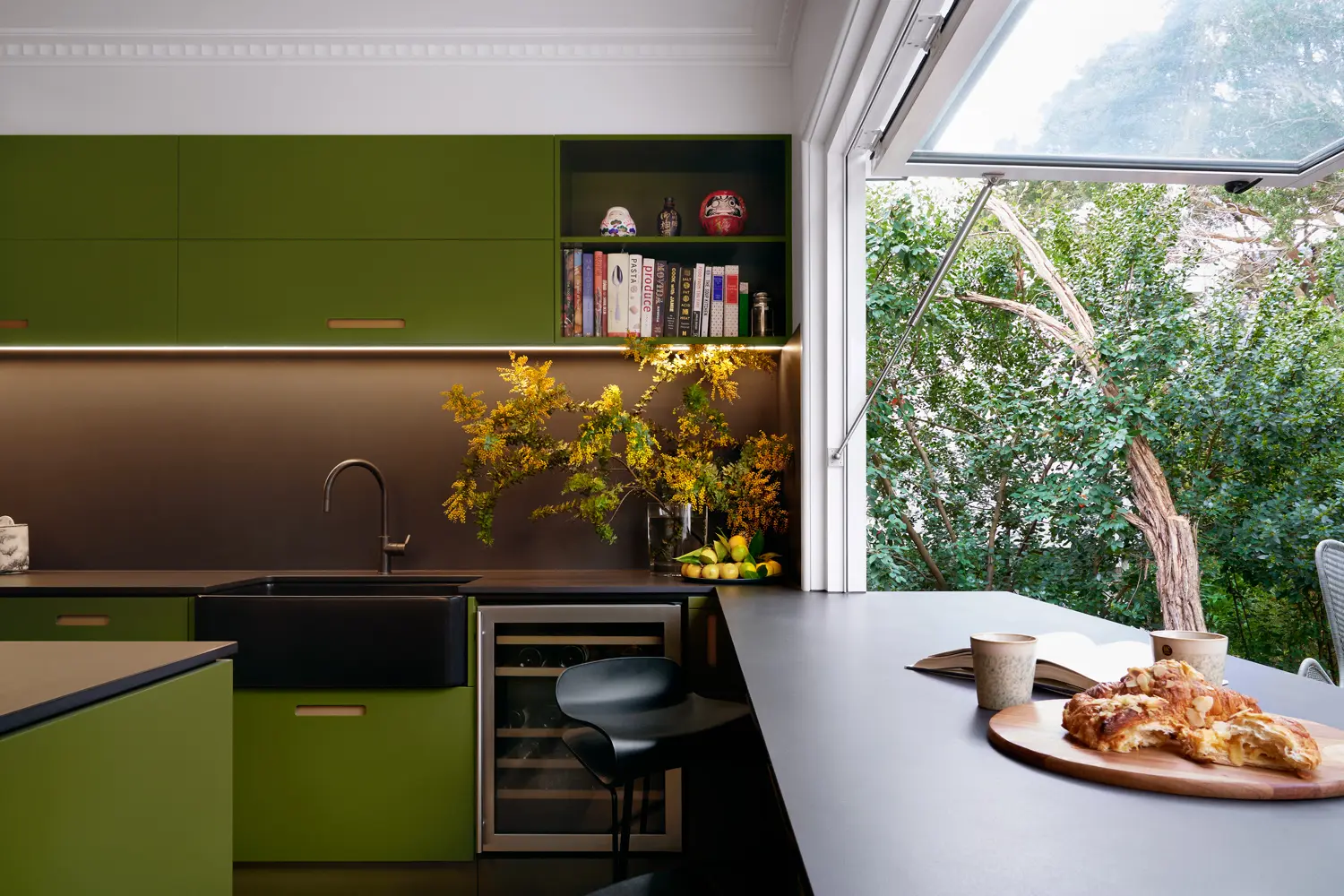
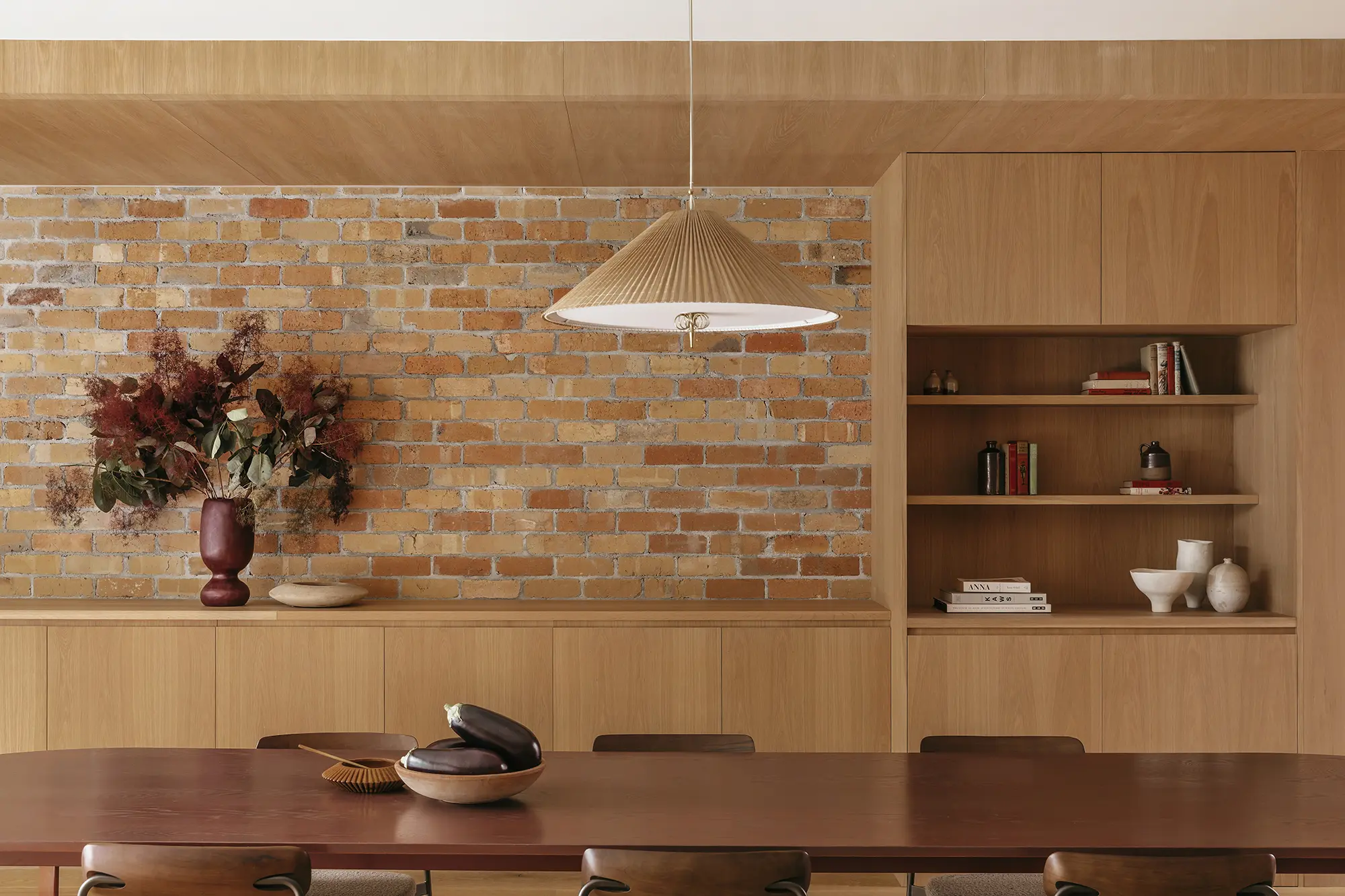
Retaining walls, plumbing and major services in similar positions will usually be more cost-efficient than starting again. Moving a kitchen, relocating a bathroom or opening up a series of rooms can transform daily life, but these choices may introduce additional trades, engineering, approvals and construction coordination.
That does not mean layout changes should be avoided. Sometimes one well-considered move unlocks the potential of an entire home. The question is whether the improvement in light, flow and function is worth the investment for you.
Good joinery has a quiet way of making a home feel effortless. It gives everything a place, uses awkward corners intelligently and allows storage to become part of the architecture.
Kitchens, wardrobes, vanities, banquettes, studies, laundries and media units can all benefit from a tailored approach. The cost will depend on scale, internal configuration, materials, hardware, finish and installation complexity. Although custom joinery can be a significant investment, it is often one of the details that most clearly improves how a home looks and lives.
Tiles, stone, timber, tapware, lighting, appliances, hardware, rugs and furniture exist across an enormous range of price points. Taken one by one, the differences can seem manageable. Across a whole renovation, they add up quickly.
The secret is not to specify the most expensive option everywhere. It is to know where quality will be seen, touched and relied upon every day. A designer can help balance hero materials with quieter, more efficient selections so the finished interior still feels rich, layered and resolved.
A renovation cost Australia estimate should always be refined for the city and property. Renovation costs in Melbourne, Sydney, Brisbane and the Gold Coast can vary with trade availability, site access, supplier lead times, strata conditions, local planning requirements and climate.
National averages offer a starting point. Your home, however, is not an average. Its location and individual constraints need to be part of the budget from the beginning.
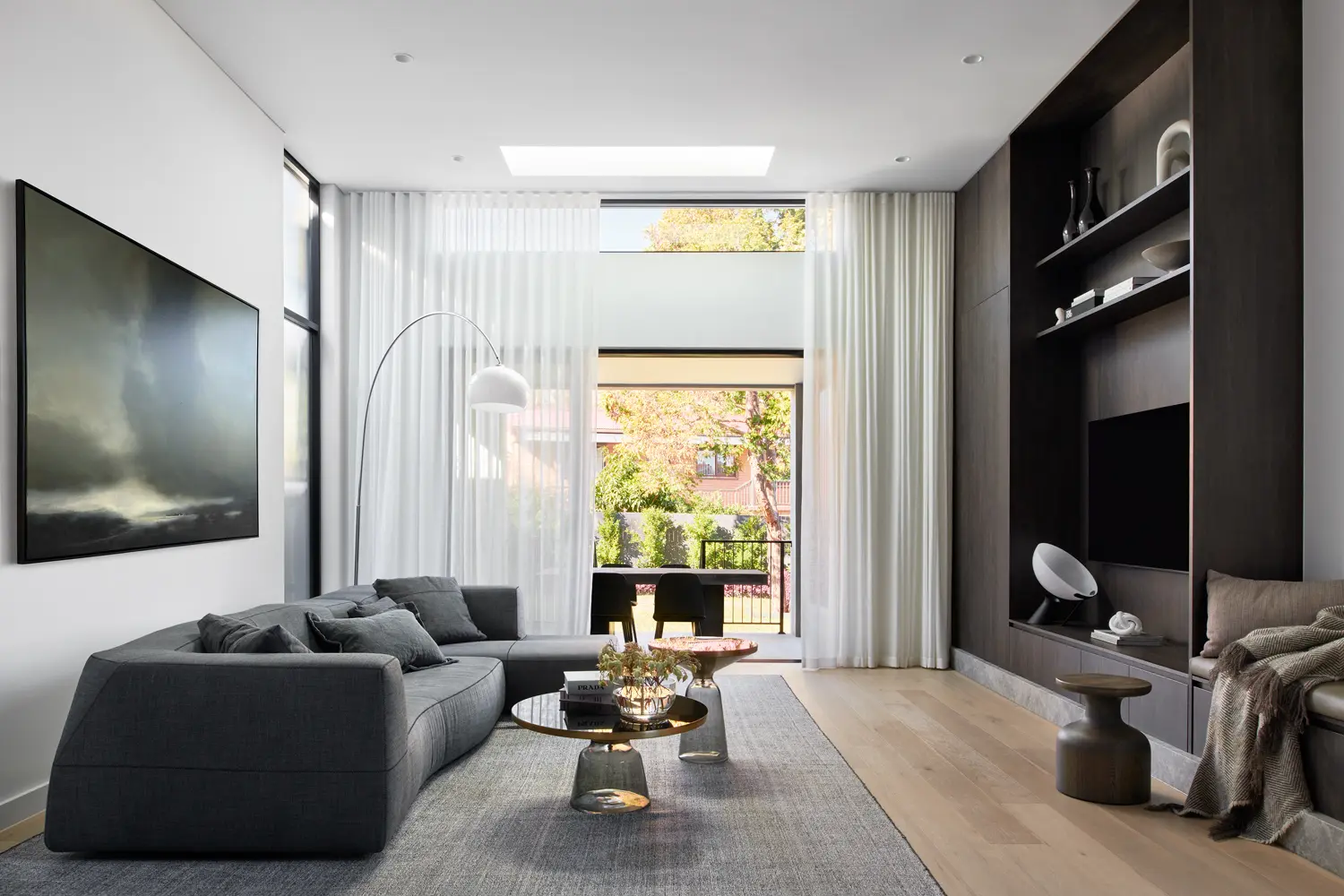
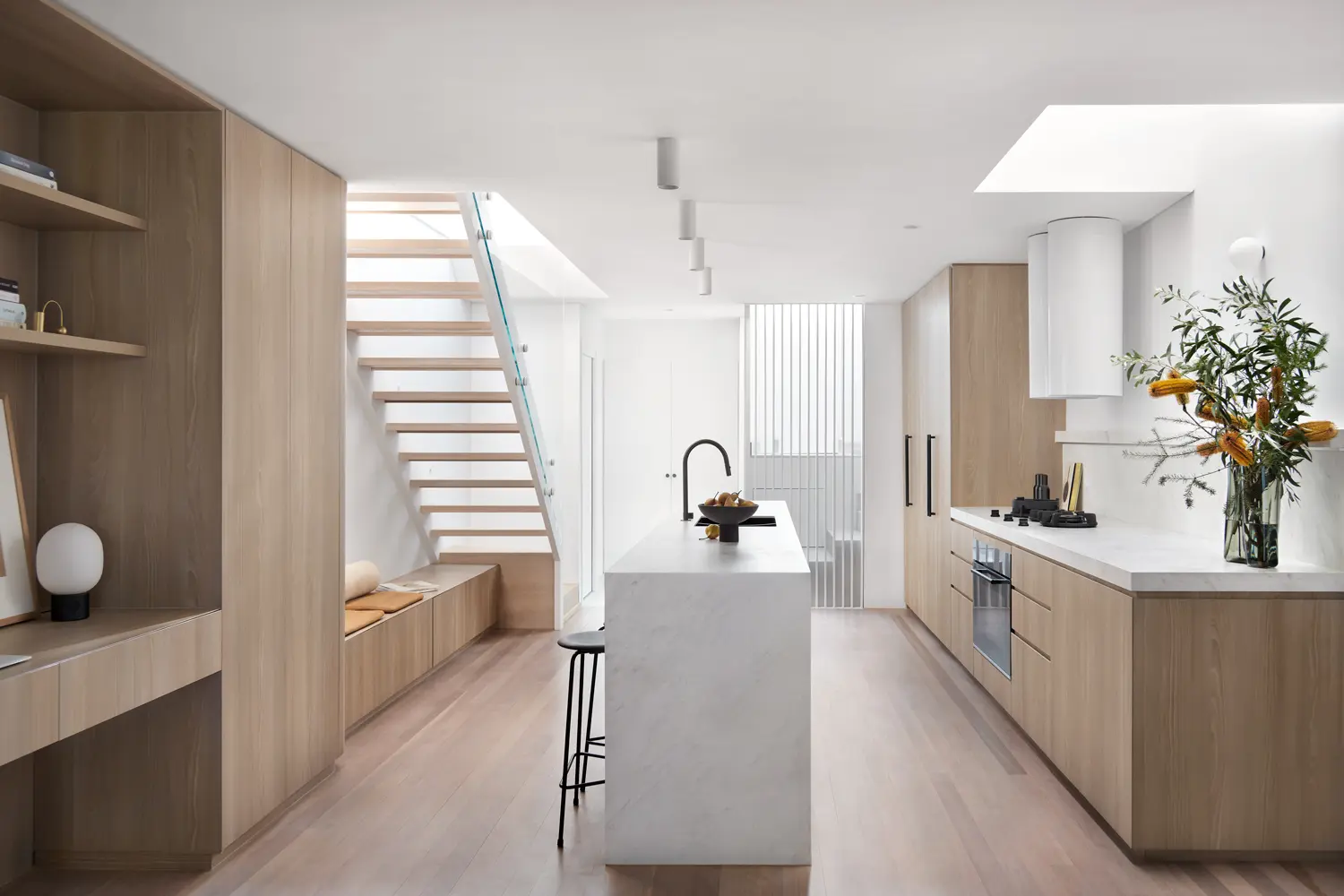
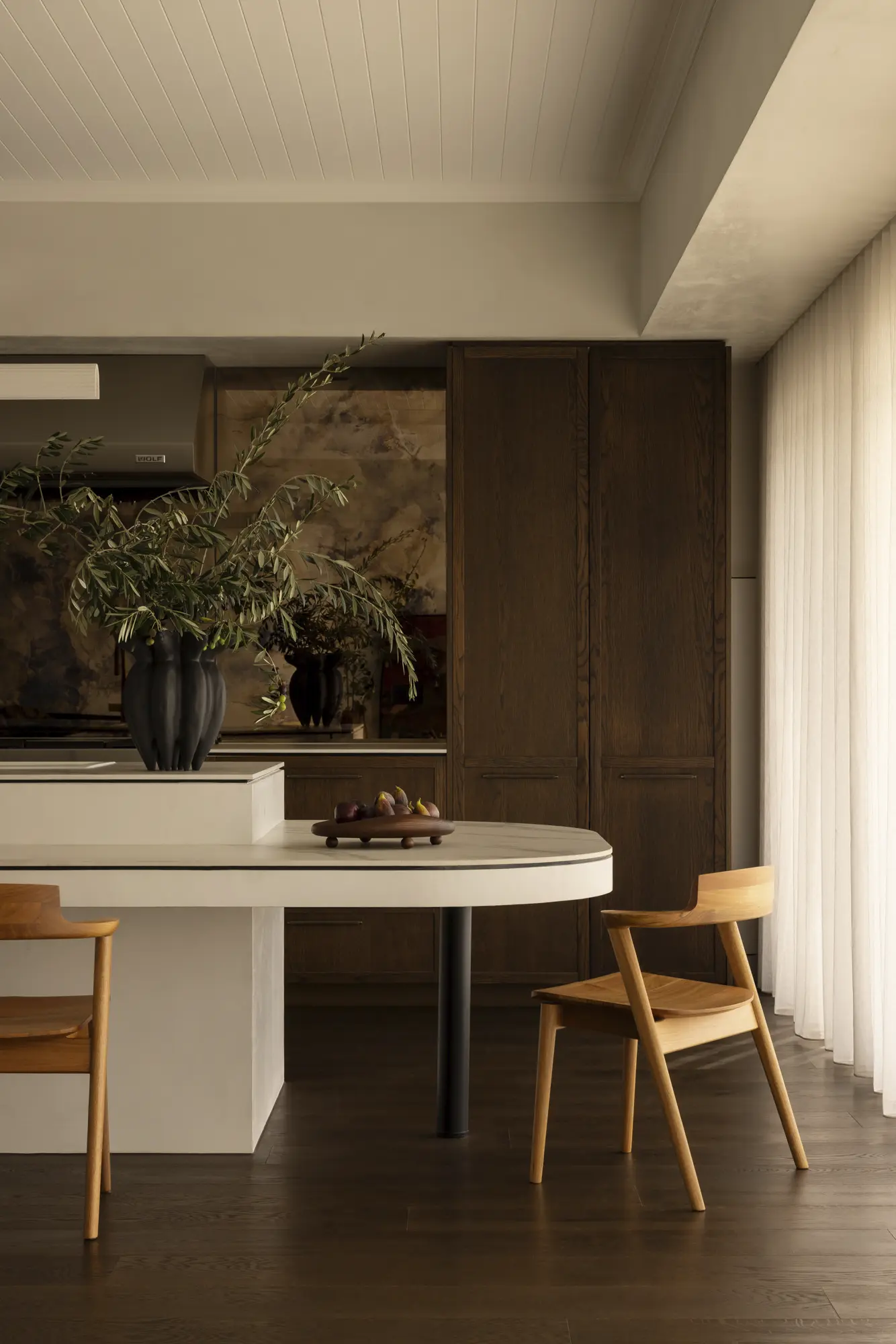
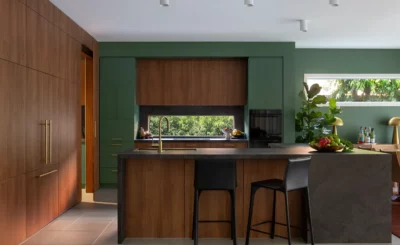
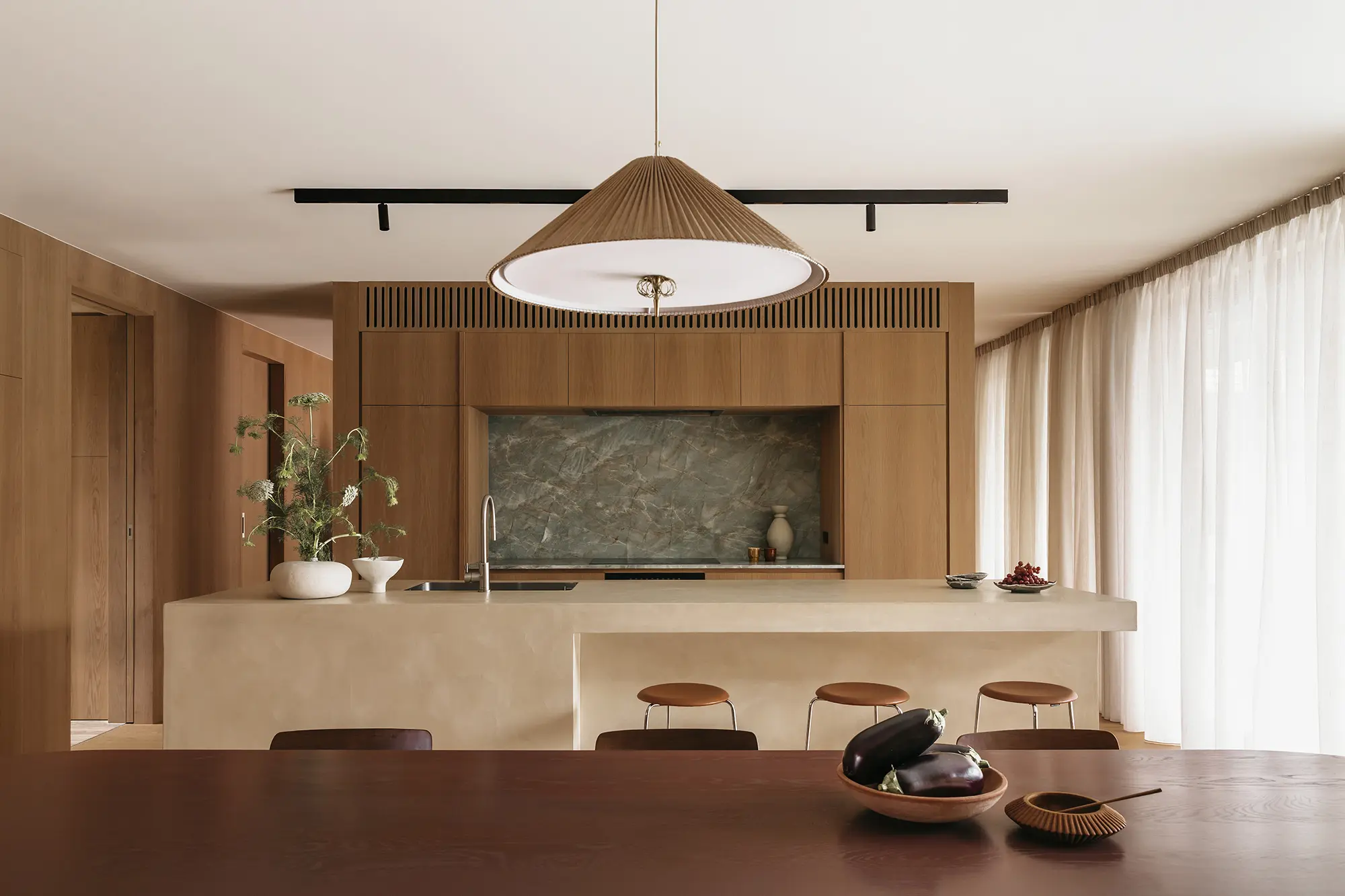
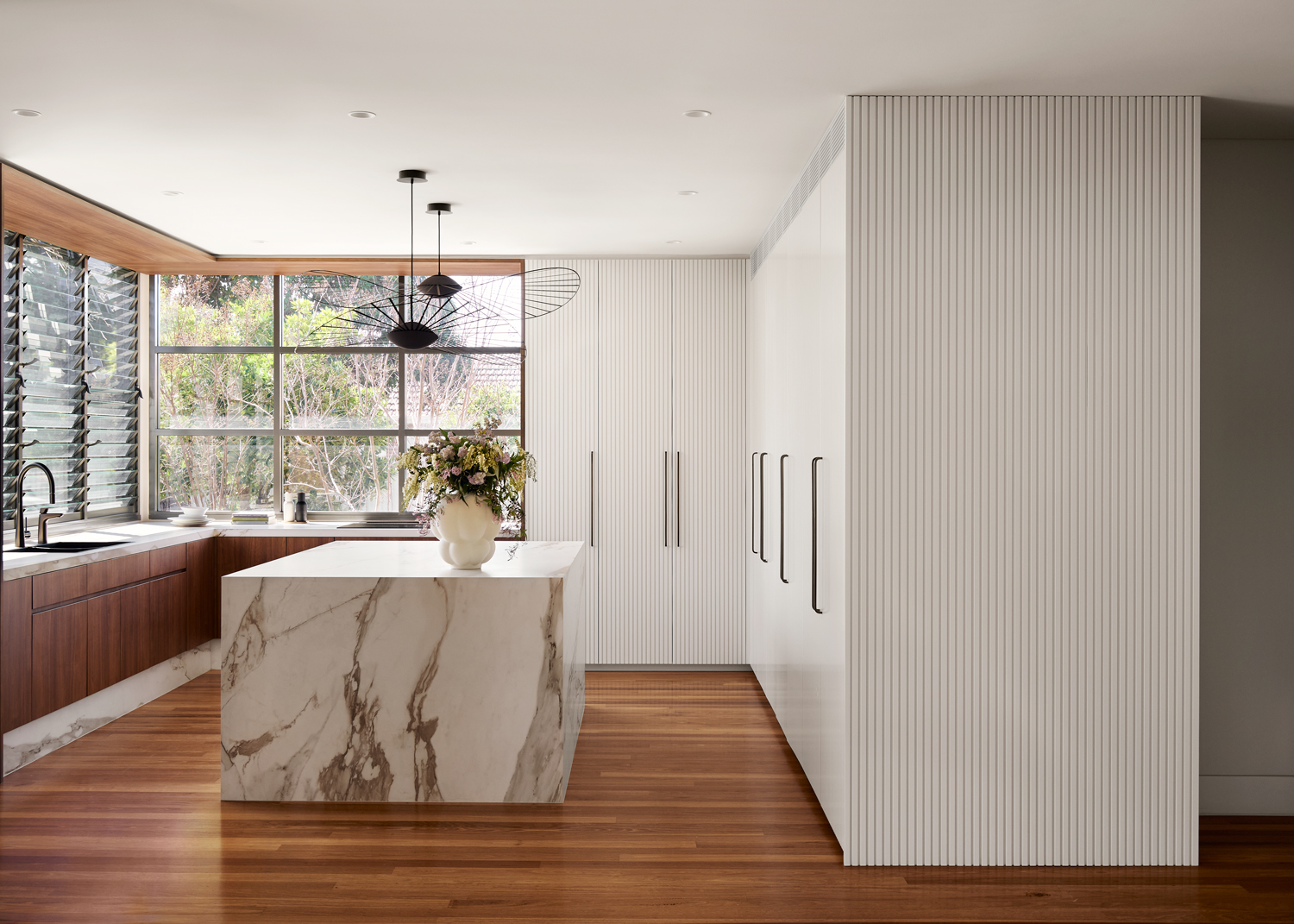
The kitchen is often the heart of a home—and one of its most complex rooms to renovate. It brings together cabinetry, appliances, plumbing, electrical work, benchtops, splashbacks, flooring and lighting, all within a space that needs to perform beautifully every day.
Your kitchen renovation cost will depend heavily on whether the layout remains in place, whether services move, how much custom joinery is required and the quality of the selected finishes and appliances.
For us, a successful kitchen is about far more than choosing a beautiful benchtop. It considers the rhythm of daily life: where you make coffee, how children gather at the island, where the groceries land and how the kitchen connects with dining, living and outdoor spaces. Storage, sightlines, lighting and proportions all matter.
Kitchen cost factors to review before seeking quotes:
– Will the kitchen remain in the same location?
– Are plumbing, gas and electrical points moving?
– Is the cabinetry flatpack, semi-custom or fully custom?
– What benchtop material is being considered?
– Are appliances entry-level, mid-range, integrated or premium?
– Is new flooring, lighting or splashback work required?
– Does the kitchen connect to dining, living or outdoor entertaining spaces?
A bathroom may have a small footprint, but it is a highly technical space. Waterproofing, tiling, plumbing, drainage, ventilation, lighting, heating, cabinetry and fixtures must work together precisely
The bathroom renovation cost tends to rise when plumbing is relocated, structural work is needed, large-format or handmade tiles are selected, or the design includes a custom vanity and premium fittings. Site access and the condition beneath existing finishes can also influence the final figure.
Great bathroom design holds function and feeling in equal measure. It considers where towels live, how the room is cleaned, whether lighting is soft yet practical and how the space moves from the morning rush to an evening ritual. The goal is a bathroom that performs with ease and still feels like a retreat.
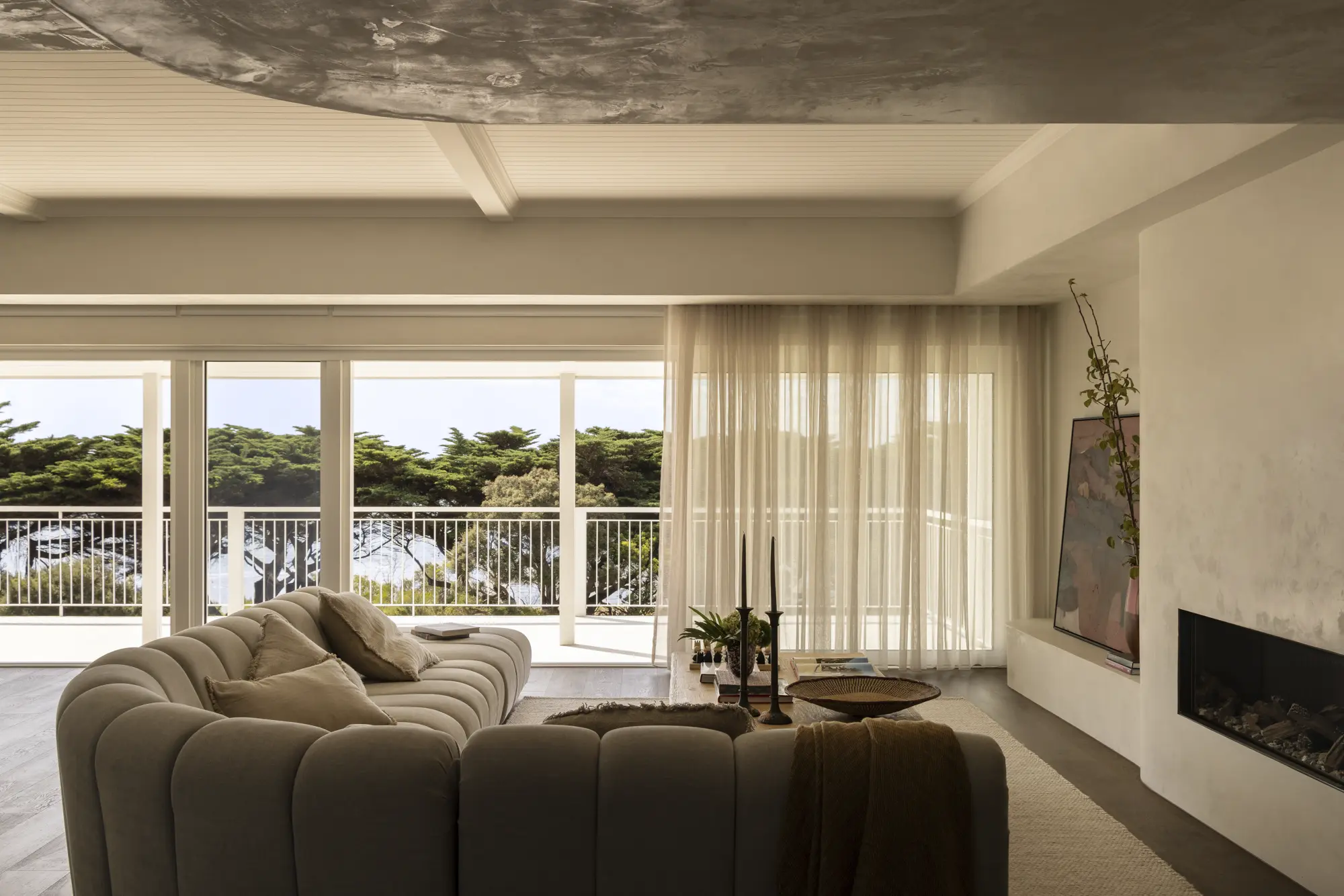
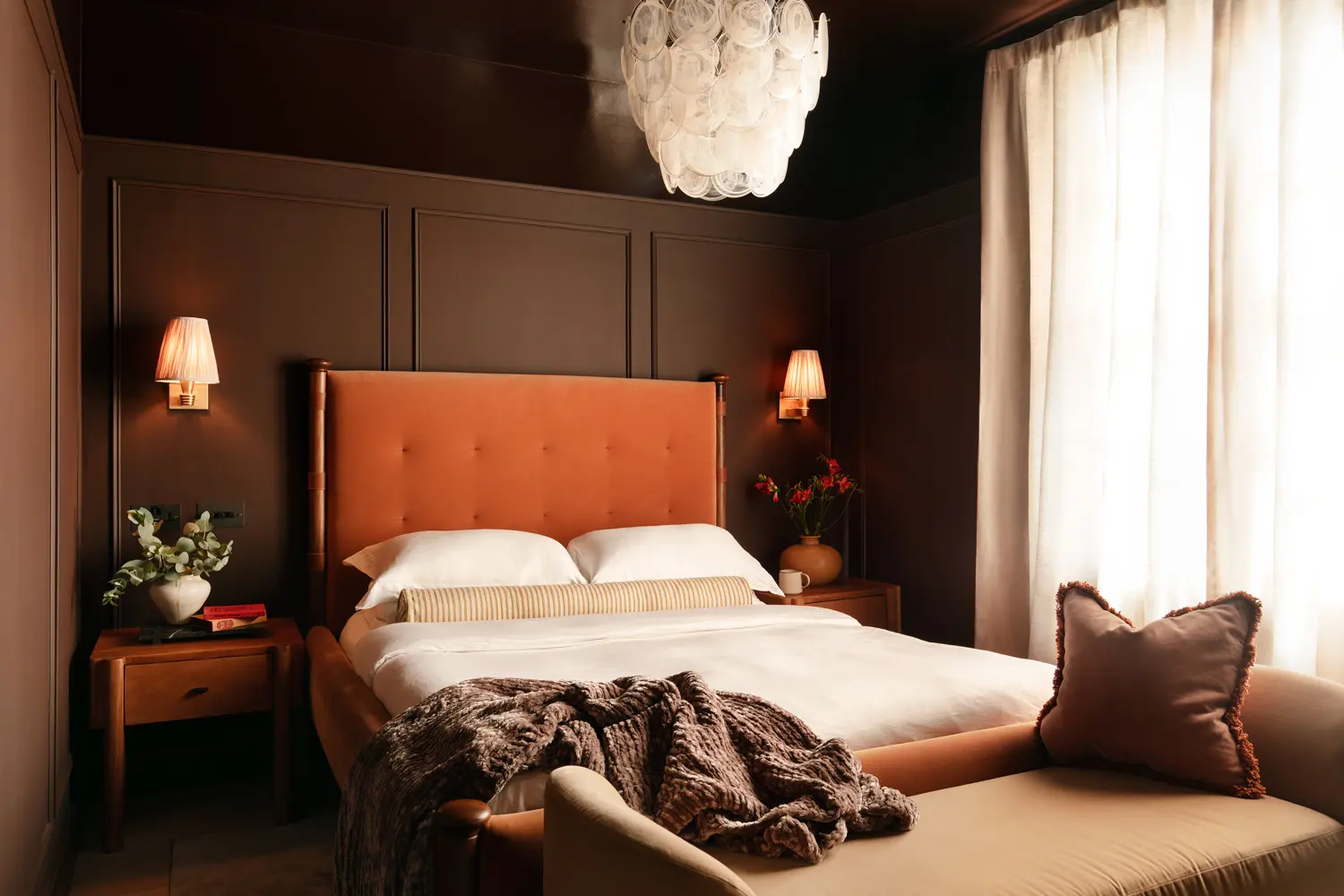
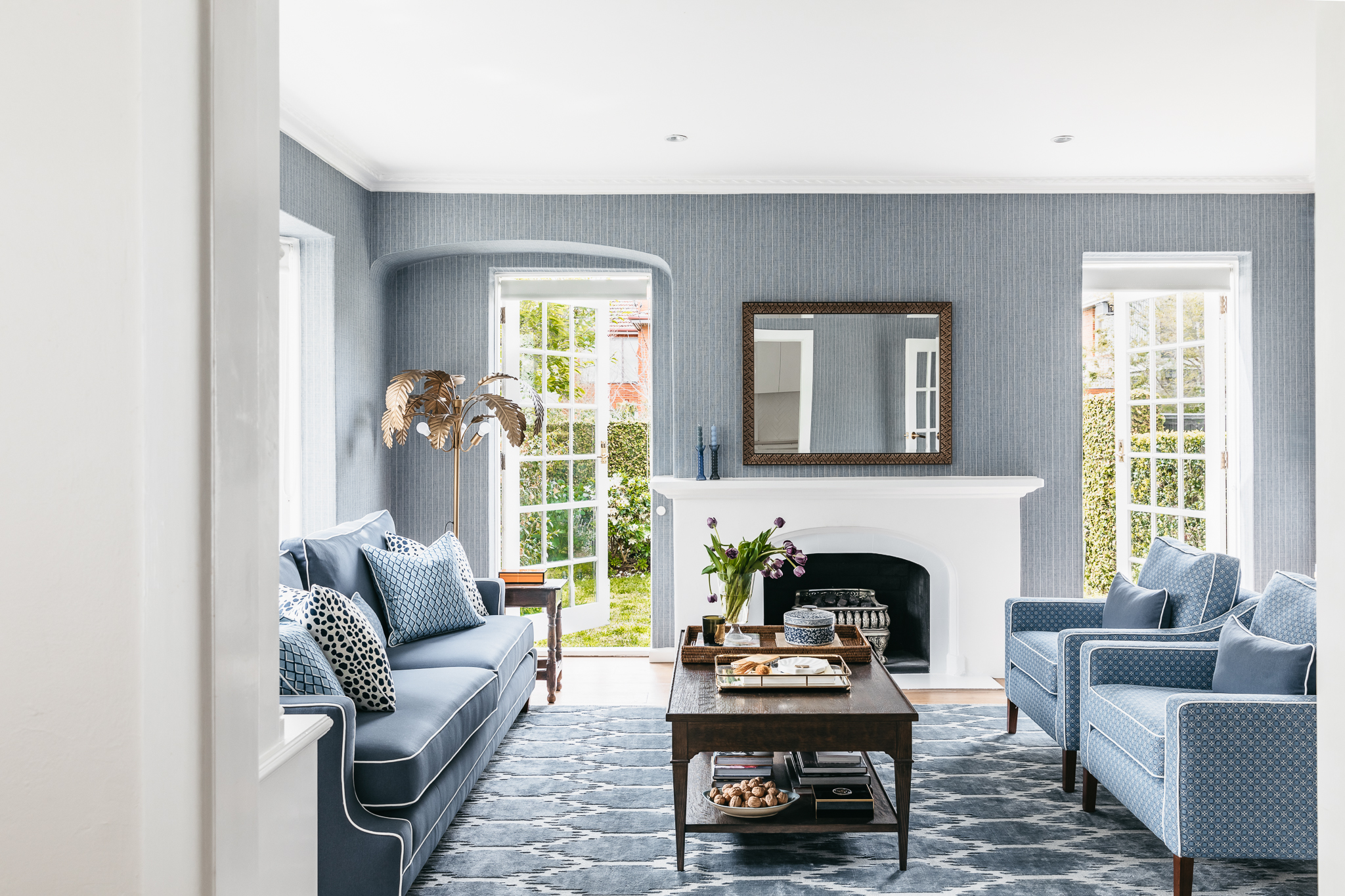
Not every transformation needs demolition. Living rooms and bedrooms can often be completely re-energised through furniture planning, correctly scaled rugs, layered lighting, artwork, window furnishings, paint, storage and styling.
These rooms are where character can come forward. A much-loved vintage piece might sit beside a contemporary sofa; a deeper wall colour might make art sing; curtains might soften the architecture and change the quality of light.
This is where an interior designer can bring real value. By selecting pieces with the right proportions, palette and purpose, a designer creates a room that feels collected and complete—not simply filled with furniture.

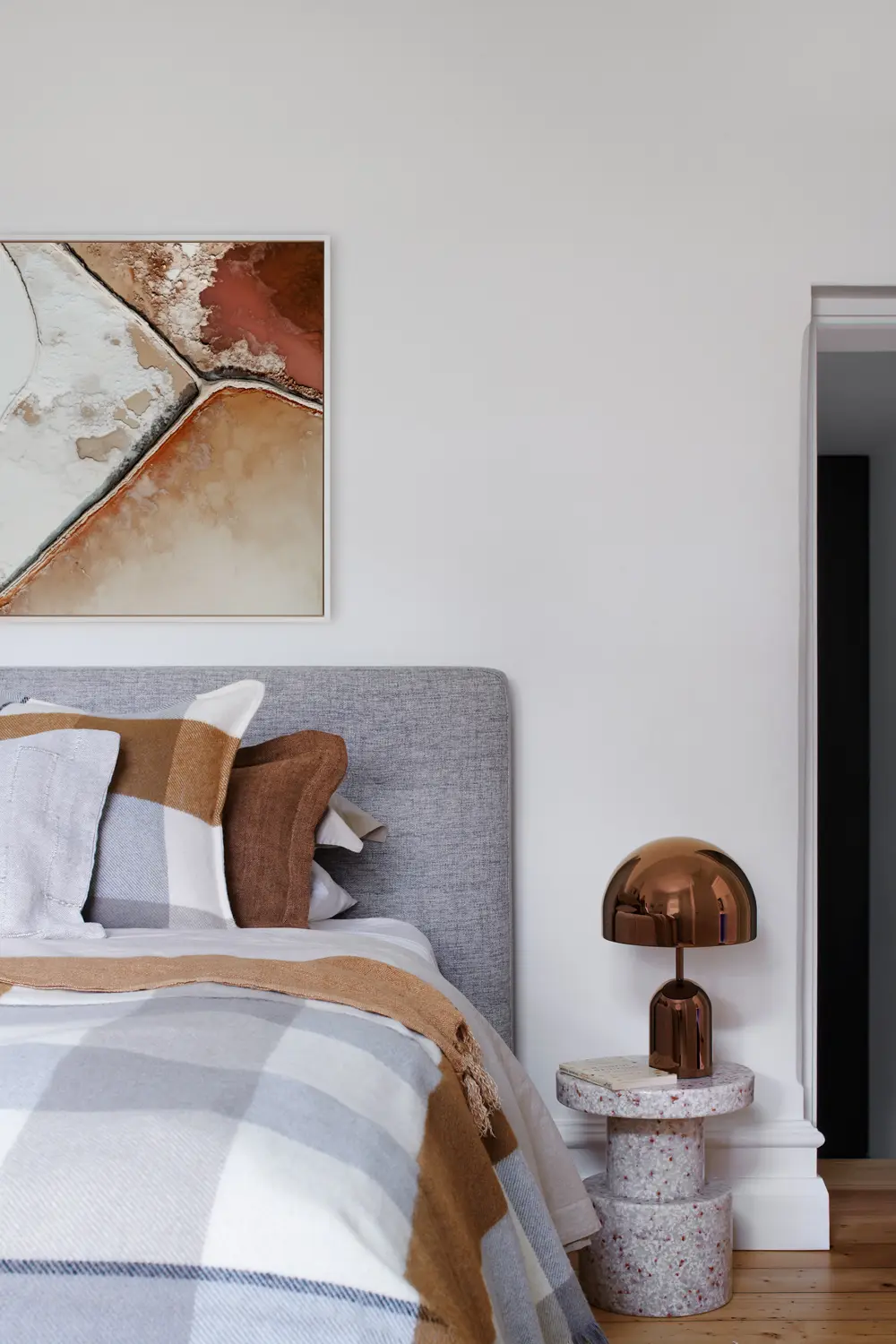
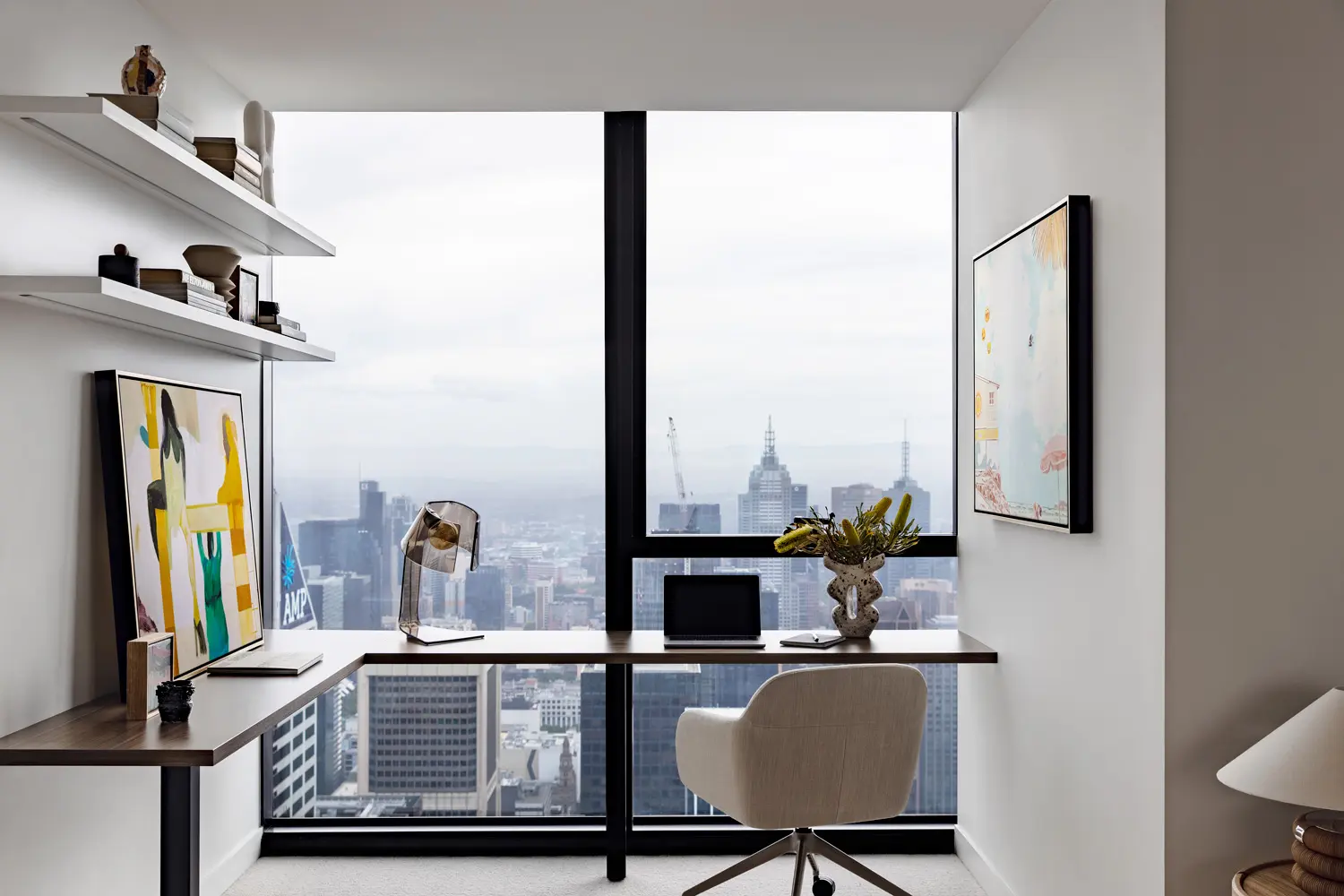
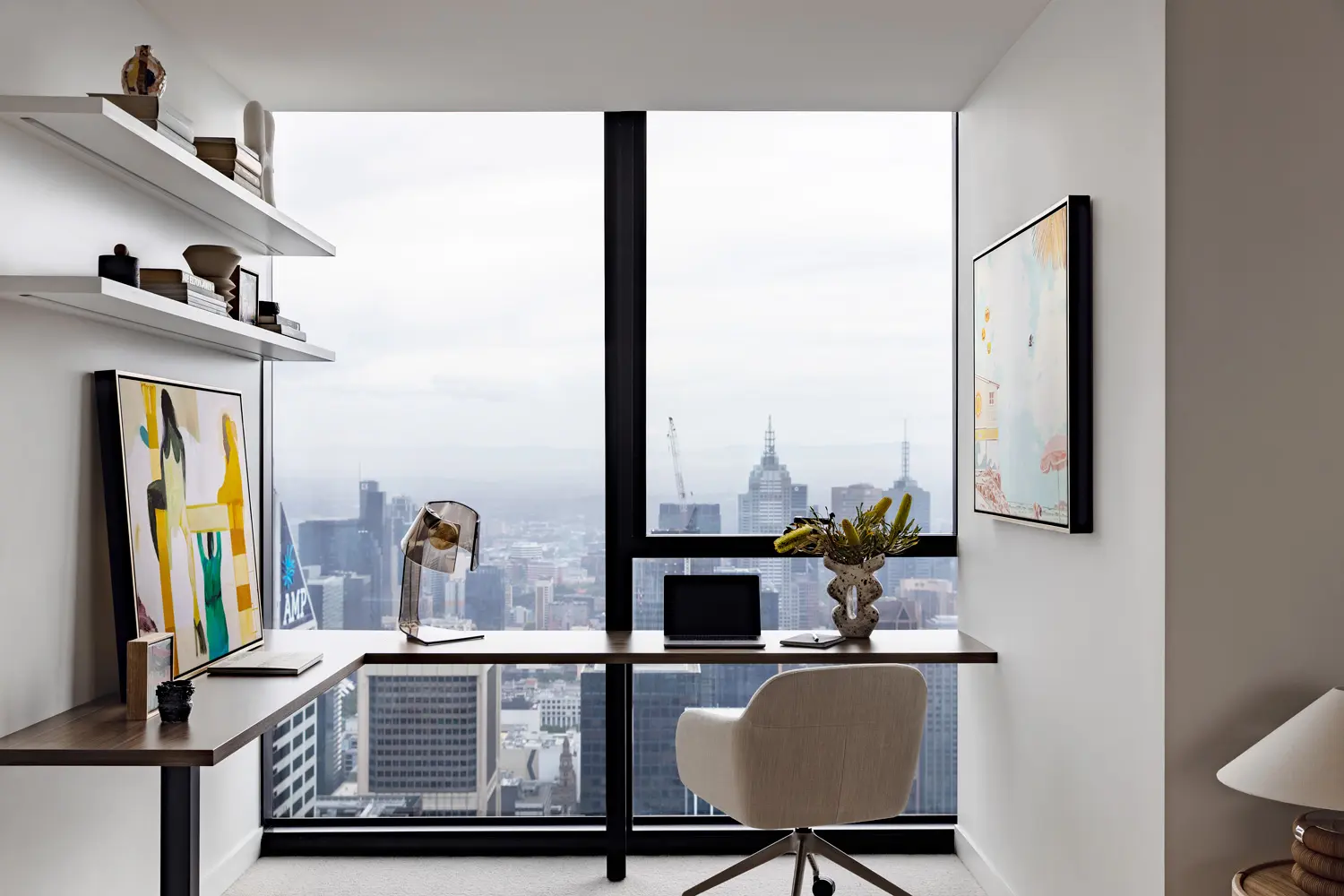
The hardest-working corners of a home deserve thoughtful design too. A laundry with intuitive storage, a study with proper task lighting or a utility zone that conceals everyday clutter can make daily life feel markedly easier.
Durable finishes, tailored joinery and clever planning allow these practical spaces to connect visually with the rest of the interior. They may not always be the rooms guests see first, but they are often the rooms you appreciate most.
From Victorian terraces and Art Deco apartments to contemporary townhouses and family homes, Melbourne offers a wonderfully varied architectural canvas. A renovation budget Melbourne homeowners prepare may need to account for heritage character, inner-city access, existing building conditions and a high level of finish.
The most successful Melbourne renovations respect what gives the property its identity while making it work for life now. Sometimes that means restoring period detail; sometimes it means introducing a confident contemporary contrast.
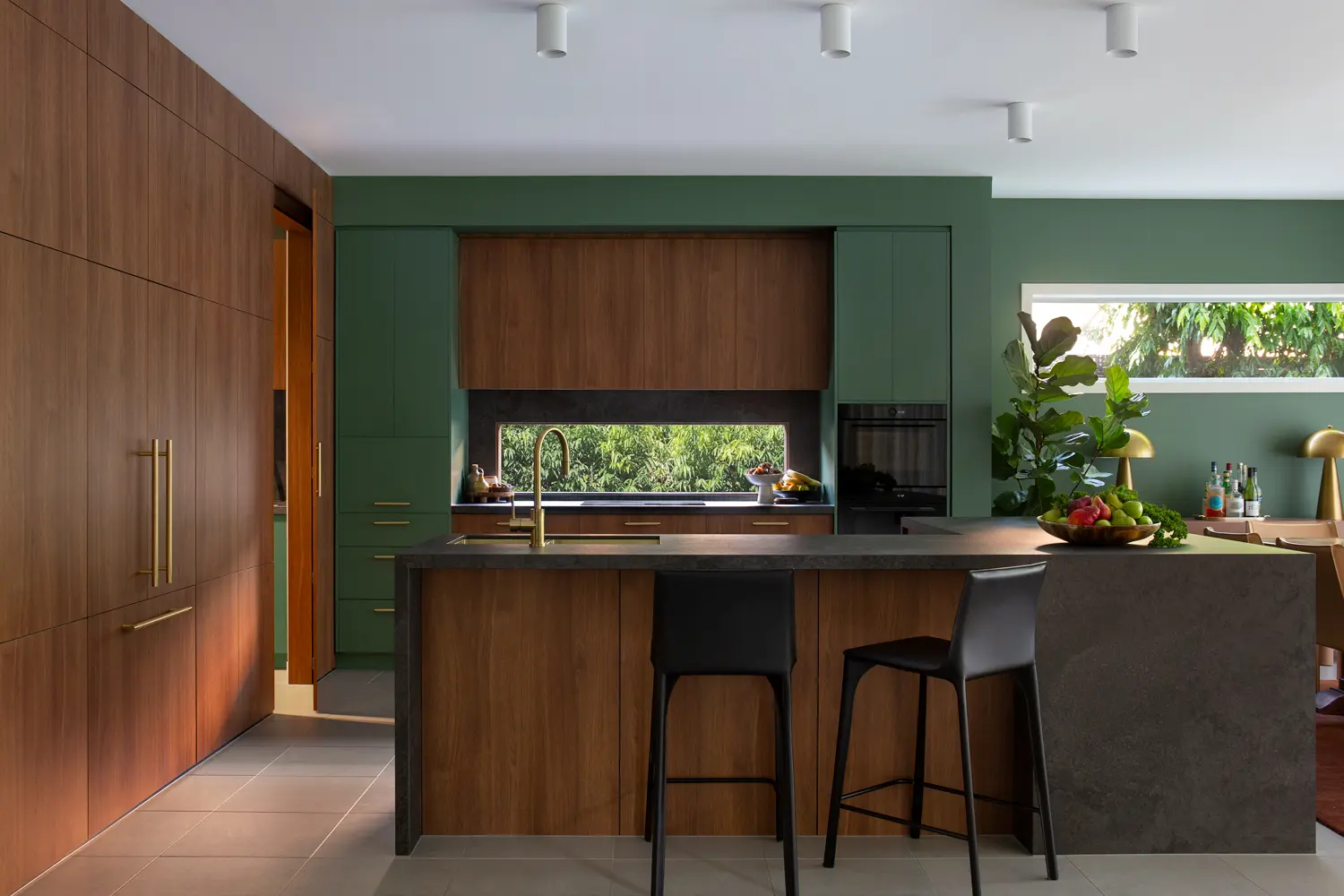
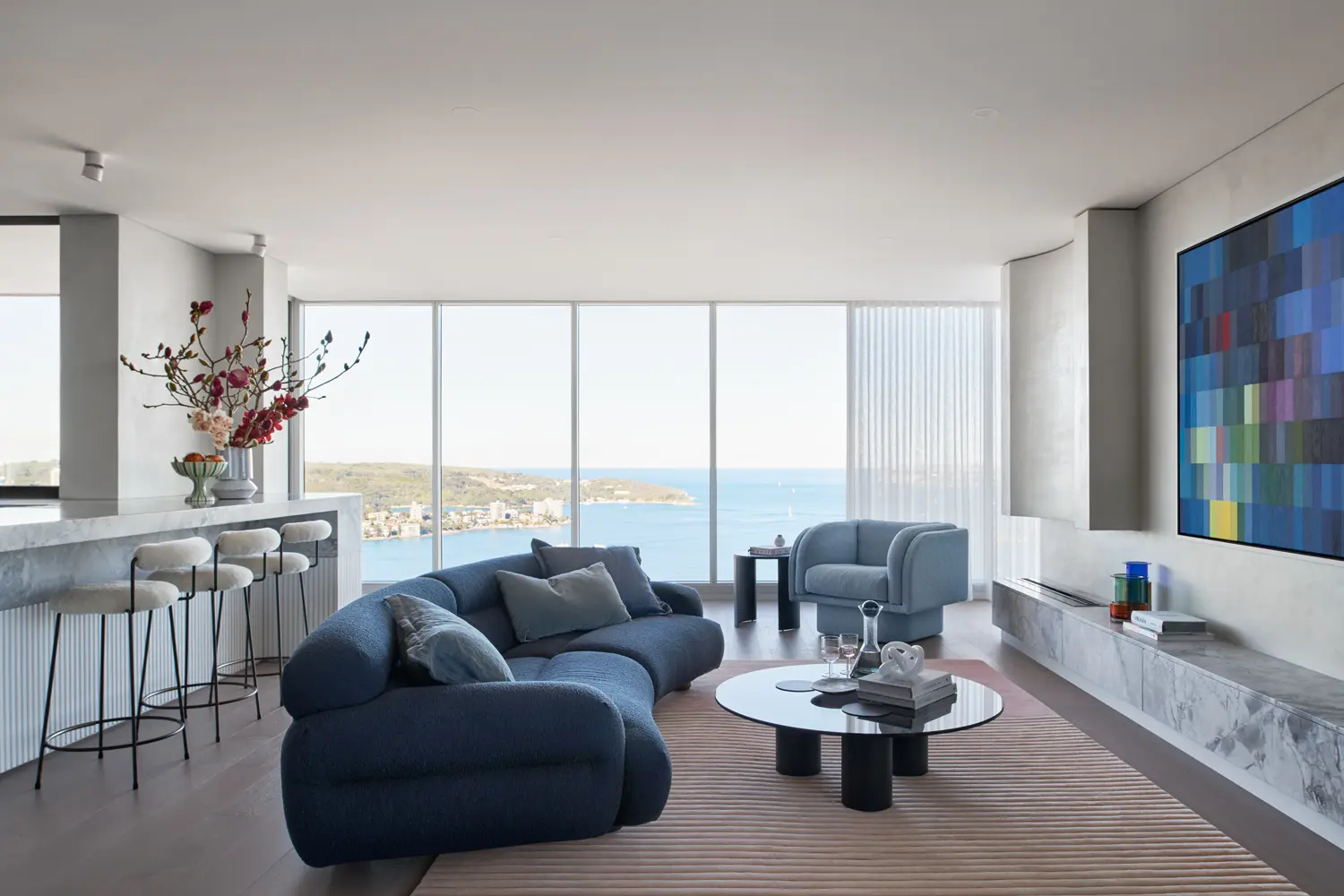
Renovation cost Sydney estimates can be shaped by compact sites, apartment access, strata requirements, coastal exposure, heritage terraces and premium material expectations. When space is limited, every choice needs to work particularly hard.
Careful planning can turn those constraints into something distinctive. Bespoke storage, considered circulation and a restrained material palette can make a smaller home feel generous, calm and beautifully connected.
Renovation cost Brisbane and renovation cost Gold Coast planning often needs to respond to light, heat, ventilation, indoor-outdoor living and coastal conditions. Materials must not only look beautiful but perform well in the climate.
Window furnishings, durable finishes, relaxed furniture and entertaining spaces can all play an important role. The result should feel refined but never precious—an interior that welcomes bare feet, open doors and the easy rhythm of subtropical life.
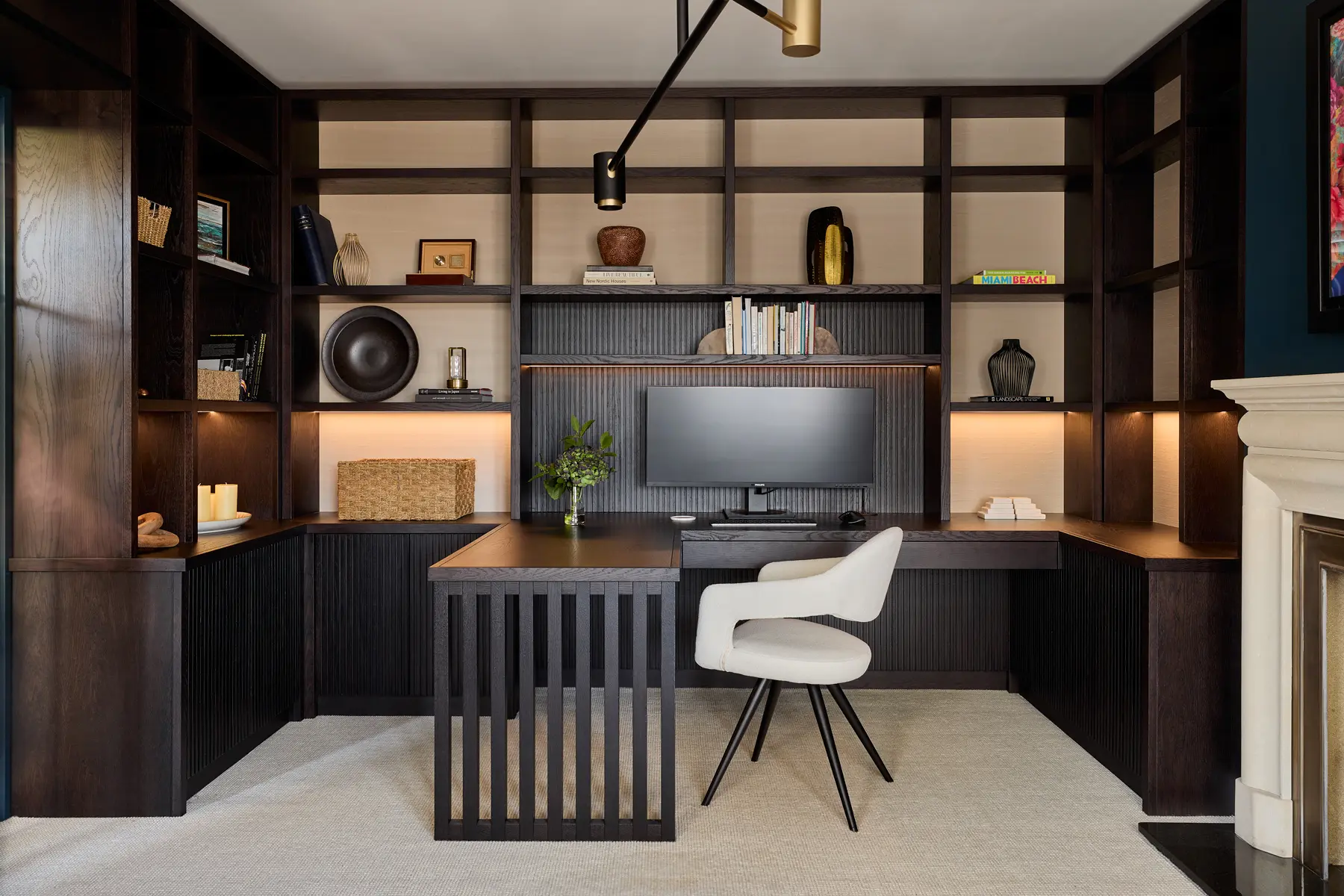
An interior designer helps turn possibility into a clear, workable direction before construction begins. Depending on the project, this may include concept development, spatial planning, material and finish selection, lighting direction, furniture planning, joinery concepts, supplier coordination, procurement and styling.
The interior designer renovation cost is therefore not simply an aesthetic extra. It is part of developing the roadmap that brings the property, budget, builder, trades and finished interior into alignment.
At The Stylesmiths, collaboration is at the heart of the process. We listen to how you want to live, explore what the space could become and match you with a designer suited to your style, scope and needs. Across residential and commercial interiors, the aim is always to create a space that feels personal, meaningful and wonderfully resolved.
Design clarity also makes spending more intentional. With the important decisions considered early, you can approach quotes and selections with greater confidence—and reduce the likelihood of rushed, disconnected or costly changes later.
Before asking what you should spend, decide what you want the renovation to change. Do you need better flow, more storage, a stronger connection to the garden or a home that feels calmer and more reflective of you? Are you planning for entertaining, growing children, working from home or long-term living?
When the desired outcome is clear, the budget has something meaningful to support.
The builder’s price is not the complete cost of creating the finished home. A well-rounded budget may also need to include design fees, documentation, consultants, approvals, furniture, decorative lighting, window furnishings, rugs, artwork, appliances, freight, installation and styling.
Keeping these categories visible from the outset helps protect the details that make an interior feel complete.
Renovations can reveal surprises, particularly in older properties, wet areas and projects involving structural change. A contingency creates breathing room for the unknown without forcing reactive compromises elsewhere.
The appropriate allowance depends on the age and condition of the property, the level of documentation and the complexity of the work. Discuss it with your designer, builder and relevant consultants before construction starts.
A beautiful home does not require the premium option at every turn. It needs a clear point of view and smart priorities.
Durable flooring, well-made joinery, comfortable furniture, considered lighting and high-use fixtures are often worthy places to invest. More decorative pieces can then be layered around them with imagination. Mixing high and low with intention creates a home with character while keeping the budget in balance.
Changing a key finish or fixture during construction can have a ripple effect through ordering, lead times, trades and installation. Even a seemingly small decision may affect several others.
Resolving the important details early helps the project move more smoothly. It also allows you to make choices in the context of the whole design, rather than under pressure on site.
For many projects, yes. An interior designer can take a folder of inspiration, a list of practical needs and a broad budget, then shape them into one considered vision.
For a smaller update, that may mean helping you make confident decisions quickly and avoid expensive purchasing mistakes. For a more involved renovation, it can mean aligning the floor plan, finishes, lighting, joinery, furniture and styling across several rooms.
The value is in the way everything connects. Instead of treating the home as a sequence of separate decisions, a designer sees the full picture: how light moves, how colours travel from one room to the next, how furniture relates to the architecture and how the space will support the people living there.
Ultimately, a well-designed home should not feel like a showroom or a collection of trends. It should feel undeniably yours.
– Define the renovation scope.
– Confirm which rooms are included.
– Decide whether walls, plumbing or electrical layouts will move.
– Set a realistic design budget.
– Set a realistic construction budget.
– Allow a contingency for unknowns.
– Check whether approvals, strata or heritage requirements apply.
– Select key finishes before construction starts.
– Include furniture, lighting, rugs, art and window furnishings in the total budget.
– Book designers, builders and trades early where possible.
Planning a renovation in Melbourne, Sydney, Brisbane or the Gold Coast? Let’s begin with how you want your space to feel, and how you need it to work
The Stylesmiths can help clarify the scope, define a cohesive design direction and match you with an interior designer whose experience and creative approach suit your project. Whether you are refreshing a single room, renovating a family home or planning a larger residential or commercial interior, thoughtful design guidance can help you move forward with confidence.
Your home should tell your story, support your everyday life and feel wonderful to return to. Let’s create something personal.

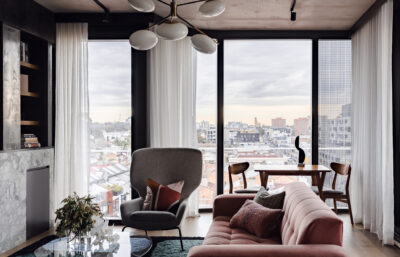
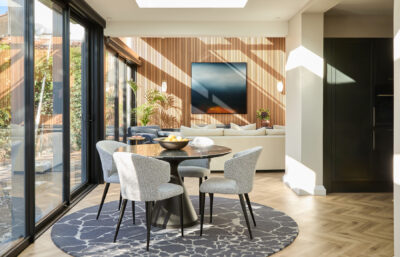
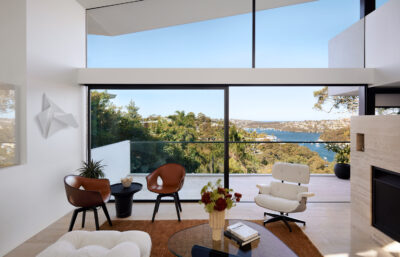
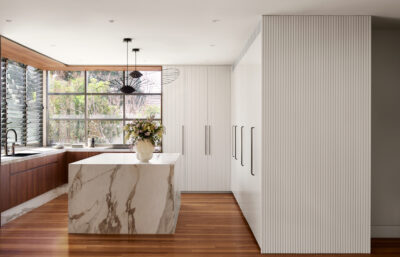
Renovation costs vary considerably according to the property, scope, finishes, location and level of construction. A cosmetic refresh may require a relatively modest budget, while kitchens, bathrooms, full internal renovations and structural changes can move into much higher figures. Published ranges are useful for early planning, but site-specific advice and quotes are essential before you commit to a final renovation cost 2026 budget.
Kitchens and bathrooms are often among the most expensive rooms because they combine several trades, services and technical requirements. Cabinetry, appliances, plumbing, electrical work, waterproofing, tiling, ventilation and finish selections can all influence the final cost.
An interior designer cannot remove the cost of construction, but they can help you spend more intentionally. By defining the scope, creating a cohesive brief, prioritising investment and resolving key selections early, a designer can reduce uncertainty and help avoid disconnected choices or expensive changes during the project.
For a design-led renovation, speaking with an interior designer early can be extremely valuable. Your designer can help clarify the layout, finishes, functional needs and desired outcome before builder quotes are requested, giving the builder a more detailed and consistent brief to price.
Most renovations benefit from a contingency, especially where older homes, wet areas, structural work or unknown site conditions are involved. The right allowance depends on the property and the project’s risk profile, so it should be discussed with your designer, builder and relevant consultants.